Radiometric thermal imaging and high-zoom aerial inspection that reveal what the eye can't see — moisture intrusion, failing panels, overheating equipment, and hidden building envelope problems.
Mid-Atlantic Drones flies the DJI Matrice 4T, an enterprise thermal platform that pairs a radiometric 640×512 thermal camera with high-resolution zoom optics and a laser rangefinder. Every pixel in a thermal image carries a temperature measurement, which means we don't just show you a colorful picture — we deliver data your engineers, facility managers, and contractors can act on.
From flat commercial roofs and building envelopes to solar arrays and electrical infrastructure, aerial thermal inspection finds moisture intrusion, insulation gaps, failing cells, and overheating components quickly, safely, and without scaffolding, lifts, or walking on fragile surfaces. And because inspection needs don't stop at sunset, the Matrice 4T's night-vision capability lets us operate in low light when the thermal contrast is at its best.
As with all of our work, inspections are flown by FAA Part 107 certified, insured pilots — including projects inside the DC Flight Restricted Zone, where our experience with approvals and coordination makes inspections possible where most operators can't fly at all.

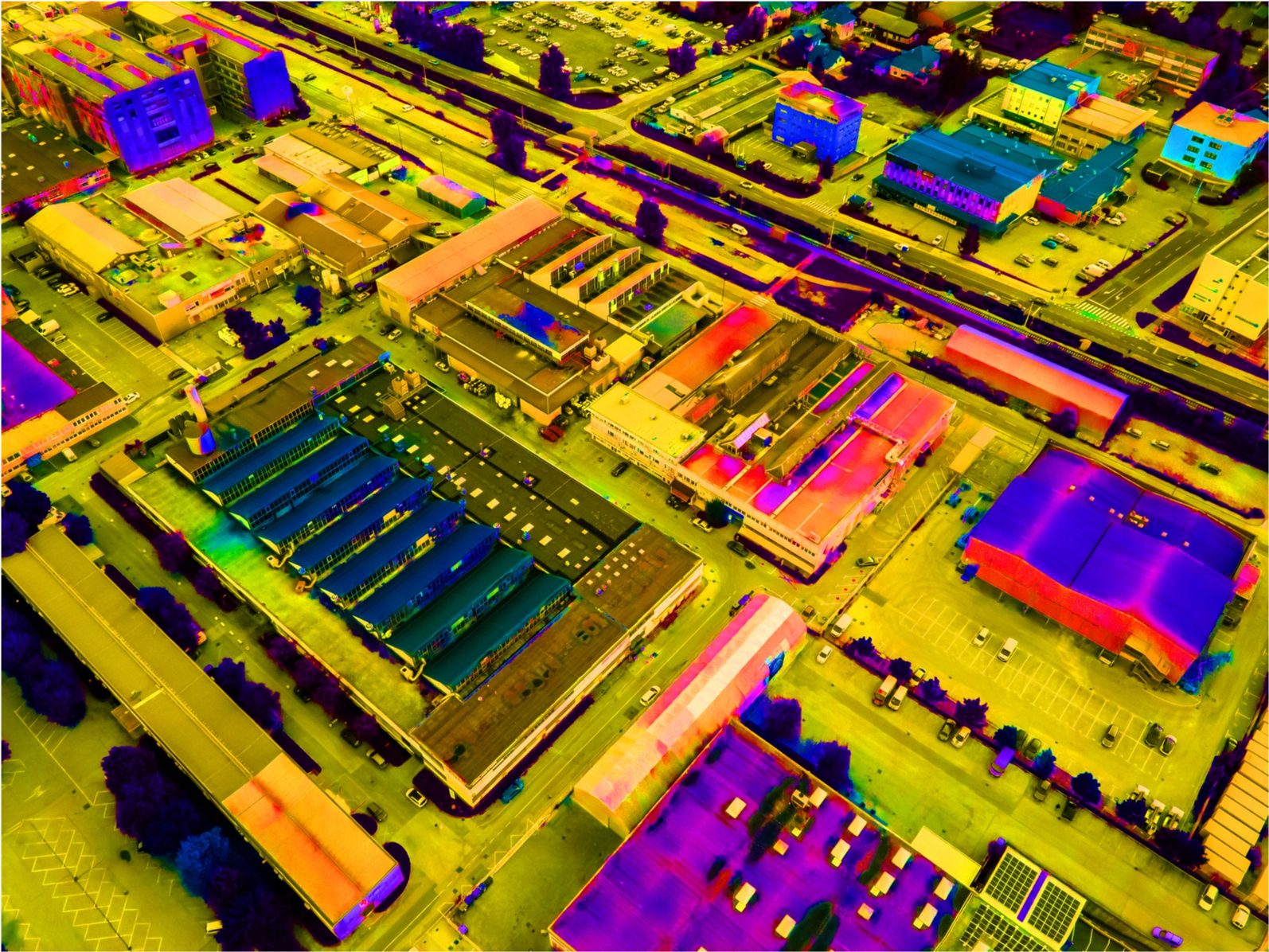

Thermal scans of flat and low-slope roofs that reveal trapped moisture, saturated insulation, and leak paths — plus envelope surveys that expose air leaks and insulation gaps.
Fast thermal sweeps of rooftop and ground-mount solar installations that pinpoint failing cells, hot spots, string outages, and soiling — panel by panel, without interrupting production.
Standoff thermal imaging of substations, transmission equipment, and mechanical systems that identifies overheating connections and components before they fail.
112× hybrid zoom optics capture close-up detail of towers, facades, and hard-to-reach components from a safe standoff distance — no lifts, no rope access, no shutdowns.
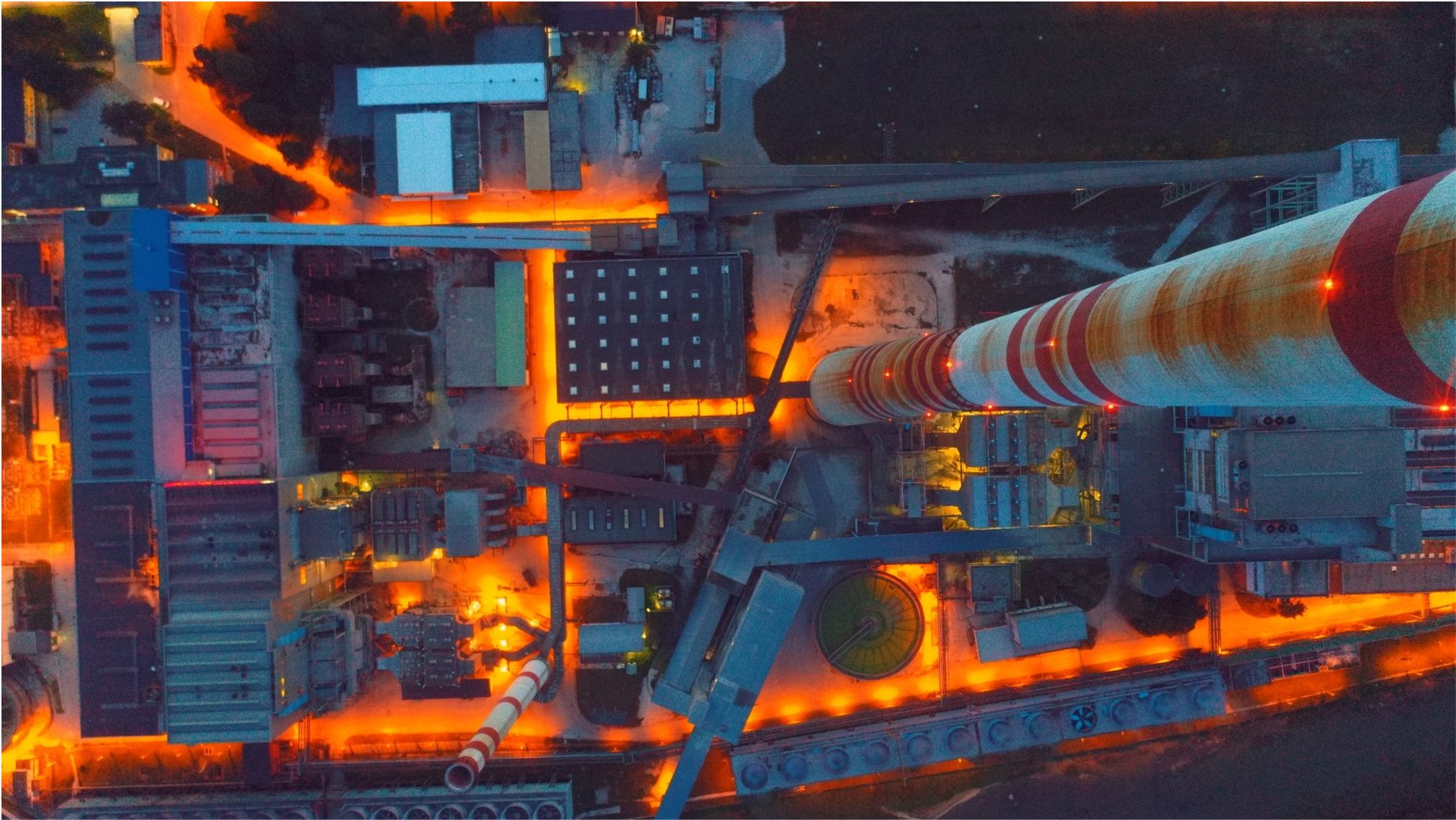
Thermal imaging and near-infrared night vision allow approved after-dark inspections, when thermal contrast peaks and facilities are quiet.
Temperature-calibrated imagery with annotated findings, delivered in reports your engineers, insurers, and maintenance teams can use to prioritize repairs.
Tell us about your roof, array, facility, or equipment. We'll recommend the right inspection approach, timing, and deliverables — and handle any airspace approvals your location requires.
Request a Consultation